
Youth Justice News Roundup
By Anonymous, June 03 2016
 We round up the latest news on youth justice reform and national public health.
- Compromise reached on "Second Chance" legislation; raising the age debate now closed. Gov. Dannel P. Malloy argued to raise the age of youth in the state juvenile justice system, but the debate ended last weekend in a compromise with Democratic leadership on bail reform for non-violent, misdemeanor offenses. [NBC Connecticut]
- White House deletes FDA's planned policy and rationale for restricting flavored e-cigarettes. After demonstrating the appeal of flavored products to youth and young adults, the Food and Drug Administration (FDA) submitted a tobacco regulation on flavored e-cigarettes to the White House Office of Management and Budget (OMB). The FDA policy and rationale for the restrictions were deleted by the OMB; no comments on why at this time. [NBC News]

 ndividuals seeking substance use disorder treatment with protections for privacy and confidentiality. It was acknowledged that stigma and fear of potential repercussions (familial, employment; criminal) prevented people from seeking treatment.
 A critical element of the juvenile justice reform narrative in the past decade has been our elevated understanding of the role that trauma plays in the experiences of young people - particularly those involved with the juvenile justice and child welfare systems. With traumatic events and victimization affecting millions of youth each year, childhood trauma has genuinely become a pressing public health issue.

 Reclaiming Futures sites, this year marked our twelfth year of our Natural Helper program. Our volunteers and community partners that make our initiative a success were recognized for their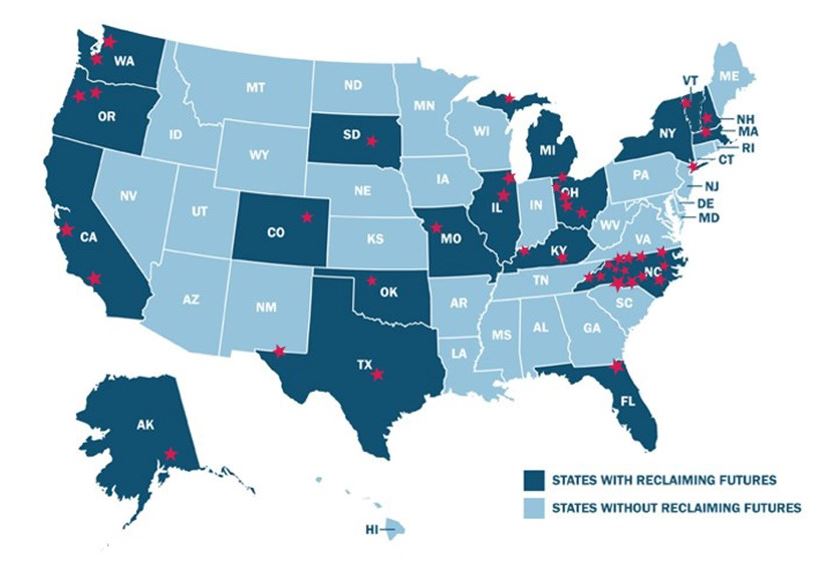
 Below you'll find a selection of the latest grants, jobs, webinars and events posted to our Opportunity Board. Please share the
  According to research conducted by
  In the first two years of our work to advance new approaches to prevent and reduce substance use among youth and young adults, a key finding we often share surprises most people: Young people actually think health care practitioners should talk to them about alcohol and drugs.
 programming to build assets in our young people since 2010. More than 110 youth have benefited from the Helping Adolescents Achieve Long-term Objectives (HAALO) program since that time.
 particularly important in the summer, when teen crime rates typically spike. Research has found that keeping teens busy may suppress summer crime and violence — one study last year reported a

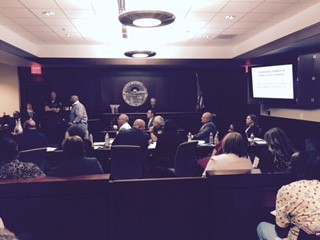
 dge Anthony Capizzi to preside over the graduation in United States District Court Federal Building in Dayton, Ohio.
 Every week Reclaiming Futures rounds up the latest news on juvenile justice reform, adolescent substance abuse treatment, and teen mental health.
  We recently announced