Blog: Reclaiming Futures - 2015

12th Annual Natural Helper Recognition Banquet in Montgomery County, Ohio

On October 27, 2015, Montgomery County Juvenile Court, Judge Nick Kuntz and Judge Anthony Capizzi hosted the 12th annual Natural Helper Recognition Banquet. As one of the ten original RFBanq2015GroupReclaiming Futures sites, this year marked our twelfth year of our Natural Helper program. Our volunteers and community partners that make our initiative a success were recognized for their
achievements. This year’s event was held at the Presidential Banquet Center in Dayton, Ohio. Approximately 200 community leaders, partners, Natural Helpers and Juvenile Court staff were in attendance, including members of the Lucas County Reclaiming Futures team.

The evening started with entertainment provided by the talented Novae A Capella Group, a student cappella group at Centerville High School whose motto is, "Shine like stars, work like bees, and sing like angels." Their performance was enjoyed by all in attendance. Special guest speaker, Brian Jenkins, a local businessman, author and motivational speaker provided a wonderful story of addiction, incarceration, recovery and the impact two special mentors had on his life. One particular part of his message really resonated with the audience: “For all of you who are mentoring and wonder if all of your efforts are ever recognized by the people you are working with, I am here to tell you that they are. Please don’t give up.”

Welcoming NW Ohio: Our New Rural Community Collaborative Site

The National Program Office (NPO) is very pleased to announce Reclaiming Futures' new rural community collaborative site in NW Ohio. The NW Ohio Reclaiming Futures (NORF) Initiative is a collaboration between Defiance, Henry, and Williams Counties, as well as their regionally shared service providers and community stakeholders. As a new example of a Reclaiming Futures rural community collaborative site (the site model also exists in Kentucky and North Carolina), NW Ohio provides an important example of a site tapping into an innovative state justice reinvestment fund in order to join the Reclaiming Futures initiative.

NW Ohio is Reclaiming Futures' fifth site in the state of Ohio. Evan Elkin, Executive Director of Reclaiming Futures, credits the growing presence of Reclaiming Futures in Ohio to the neighborly and supportive tendencies of Ohioans, which creates a grassroots sharing of information. “They share with their communities and around the state - and word of the positive outcomes the existing sites are seeing is getting around,” explains Elkin.

Defiance, Henry, and Williams Counties of NW Ohio provide an excellent example of Ohio's collaborative and supportive nature, and how this quality of working together and sharing resources particularly benefits rural communities. The three counties joined together to propose the NORF Initiative upon recognizing a need in their communities for more consistency and specifically...

Opportunity Board Roundup: Juvenile Justice Grants, Jobs, Webinars and Events

opportunityBelow you'll find a selection of the latest grants, jobs, webinars and events posted to our Opportunity Board. Please share the Reclaiming Futures Opportunity Board with your colleagues in the juvenile justice, adolescent substance use and teen mental health areas. There is no cost to browse or to post!

Next Week: A Restorative Justice Interactive Webinar Opportunity

so what is restorative justiceAccording to research conducted by The World Prison Brief, the United States has the highest prison population of any developed country in the world. The tendency to incarcerate, rather than rehabilitate, has taken its toll on our country’s most vulnerable youth. Due to increased public awareness around this issue, communities nationwide are exploring and implementing alternatives to incarceration -- as well as actively seeking to end the school-to-prison pipeline. Restorative Justice is one of the alternatives to the standard juvenile justice approach.

‘Somebody Asked:’ A Simple Strategy to Address Substance Use

This story was originally published in YouthToday.org. It is authored by Alexa Eggleston, a senior program officer, domestic programs at the Conrad N. Hilton Foundation. 

Alexa-Eggleston2-336x504In the first two years of our work to advance new approaches to prevent and reduce substance use among youth and young adults, a key finding we often share surprises most people: Young people actually think health care practitioners should talk to them about alcohol and drugs.

Unfortunately, most health care providers do not screen their adolescent patients for substance use as part of routine clinical care.  And no, we aren’t talking about the “Just Say No” approach of the ‘80s and ‘90s, but a new approach based in the research literature that frames substance use as a health issue.

Just as health care practitioners counsel young people about other health matters — like the importance of eating right, exercise and safe sex — there is a new movement to apply these same strategies to discuss the negative impact that alcohol and drugs can have on their health, relationships and other things that matter to them.

Mural Dedication Attracts Community Support for Reclaiming Futures

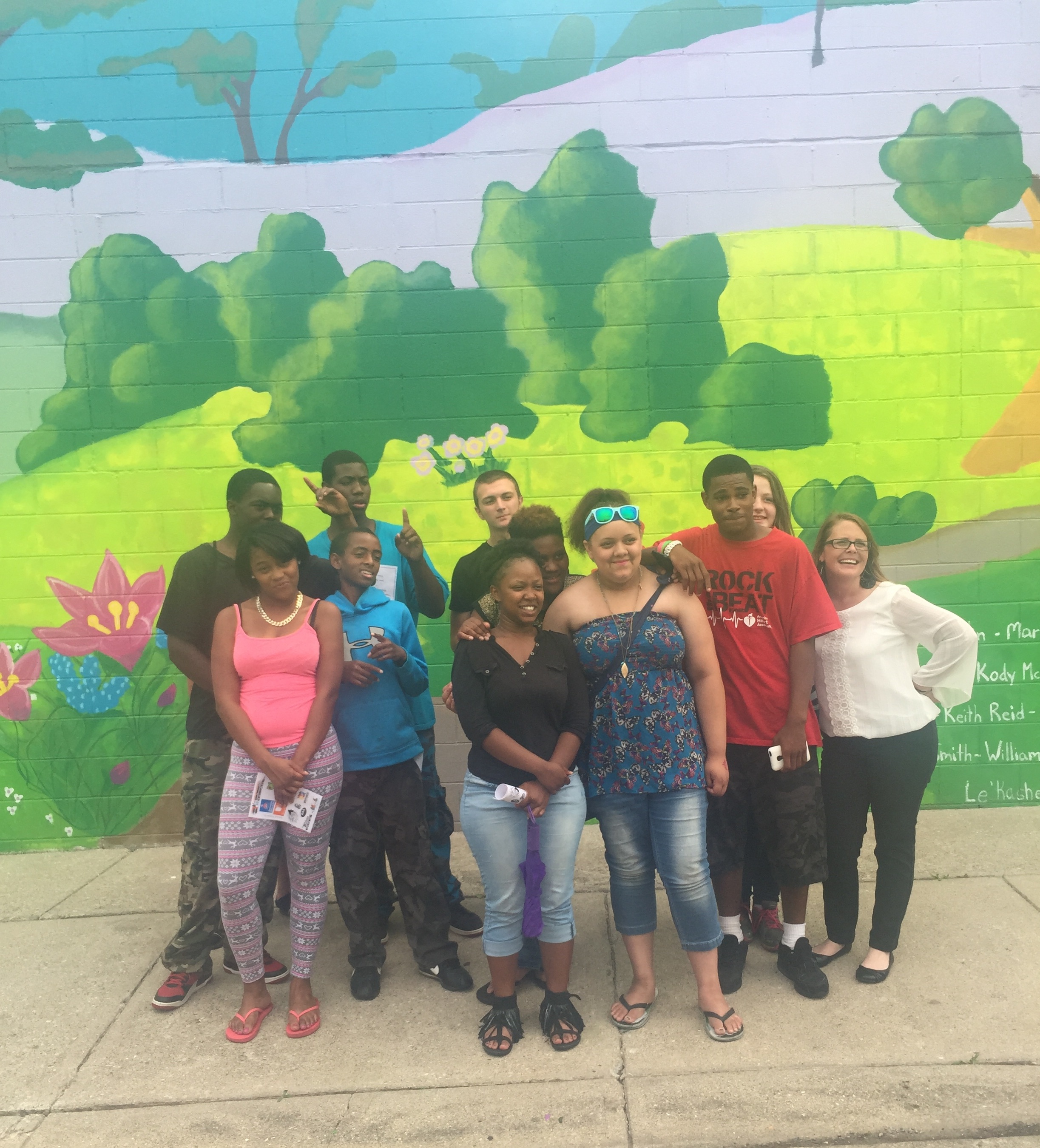
The Reclaiming Futures program in Montgomery County, Ohio, has been using arts New Image1programming to build assets in our young people since 2010. More than 110 youth have benefited from the Helping Adolescents Achieve Long-term Objectives (HAALO) program since that time.

On June 30, 2015 Montgomery County Juvenile Court hosted a Community Mural Dedication to celebrate the amazing work of the HAALO Program. The “Signs to a Creative Future” mural was dedicated to the youth artists who spent countless hours conceptualizing and creating the mural.

Forsyth County Summer Enrichment Program Trains Teens to Become Community Participants

Youth-involved activities like summer jobs, group outings and continued education are IMG_6718particularly important in the summer, when teen crime rates typically spike. Research has found that keeping teens busy may suppress summer crime and violence — one study last year reported a 43 percent reduction in violent crime among teens who participated in a part-time summer job for 13 weeks.

For Reclaiming Futures in Forsyth County, North Carolina, the summer enrichment program for juvenile drug treatment court youth goes beyond that.

3 Reasons to Take Our Survey

Help us continue to improve our work by filling out our new positioning survey!We need your help

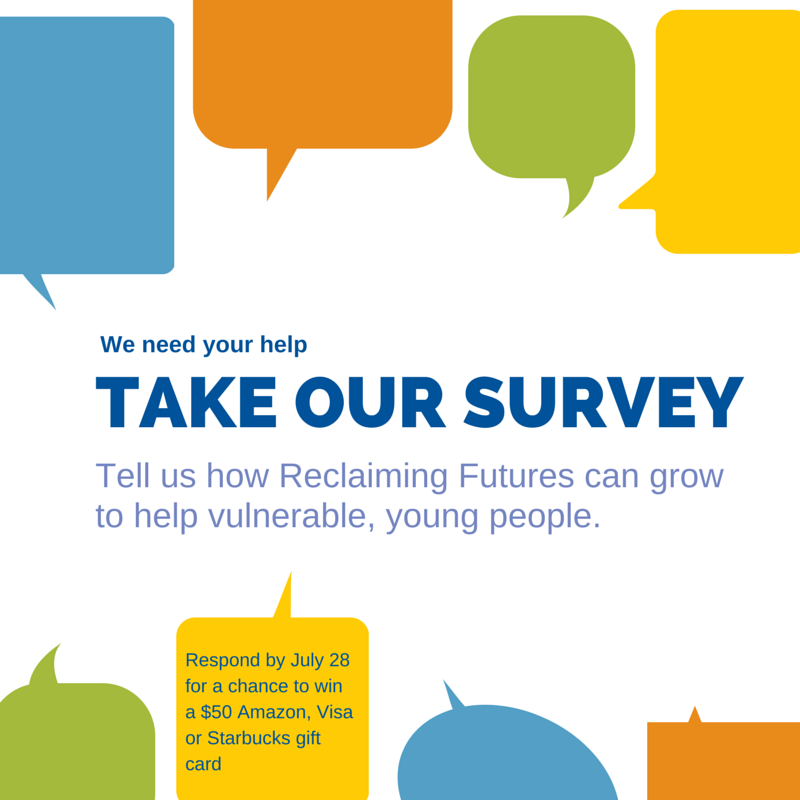
As Reclaiming Futures heads into its 15th year of service, we’re seeking your help to identify new opportunities to grow this initiative and better serve vulnerable, young populations. We hope you’ll contribute your input in our new survey to help us understand where Reclaiming Futures is doing well, and where we can get better.

Click here to start the survey.

The 16-question survey should take approximately 10 minutes to complete. At the end of the survey, you'll have the opportunity to be entered to win a $50 Amazon, Visa or Starbucks gift card (winner's choice).

Save the Date: Leadership Institute Live-streaming on June 23rd

blog pic for live-streamWe look forward to bringing the Reclaiming Futures community together next week for our annual Leadership Institute! The annual conference provides the opportunity for juvenile justice and adolescent mental health and substance use treatment colleagues to engage in a robust discussion of critical topics, as well as an opportunity for participants to help one another successfully adopt, implement and sustain Reclaiming Futures at the local level.

2015 Leadership Institute will be held on June 23-24 in La Jolla, California, and this year's theme is: “Public Health and Justice: A Partnership to Promote Equity and Well-Being for Youth and Families."

Can't make it to Leadership Institute this year? On Tuesday, June 23rd three Leadership Institute plenary sessions will be live-streaming on reclaimingfutures.org and on jjie.org:

Juvenile Community Initiative to Reduce Gun Violence

Reduce Gun Violence picThe number of youth falling victim to gun violence is a very serious issue for society. Homicide is the second leading cause of death among 15-24 year olds. The troubling trend of gun violence has lead many communities to work together to address the problem. On May 5, 2015, Montgomery County Juvenile Court Judge Anthony Capizzi hosted the Juvenile Community Initiative to Reduce Gun Violence (JCIRGV) Call-In. Since 2010, Montgomery County Juvenile Court has hosted six Call-In sessions, serving a total of 87 at-risk youth. The youth are identified through Montgomery County Juvenile Court after collaborating with the Dayton Police Department and the Montgomery County Sheriff’s Office. The youth selected are at a high risk to be the victims or the perpetrators of gun violence. They have also been identified as being associated with a gang or organized criminal activity.

The Juvenile Community Initiative to Reduce Gun Violence (JCIRGV) is comprised of the Dayton Police Department, Trotwood Police Department, Montgomery County Sheriff’s Office, F.B.I., A.T.F., U.S. Marshall, U.S. Attorney’s Office, Montgomery County Prosecutor’s Office and Montgomery County Juvenile Court. This multi-jurisdictional, multiagency, mutual effort is intended to quickly and effectively reduce gun violence and associated homicides. JCIRGV is collaborating with state and federal law agencies, social service providers, and the community to present a clear message that gun violence must stop.

Chittenden County Aims to Streamline Screening and Assessment for At-Risk Young People in Vermont

In January we announced that five Reclaiming Futures sites were chosen to implement an innovative adaptation of Screening, Brief Intervention, and Referral to Treatment (SBIRT) for adolescents. Each of the five pilot sites will serve at least 100 youth over the course of three years, targeting youth who show mild to moderate levels of substance use—a population that doesn’t often qualify for or seek treatment, but who are at high risk for developing worse substance abuse problems down the road.

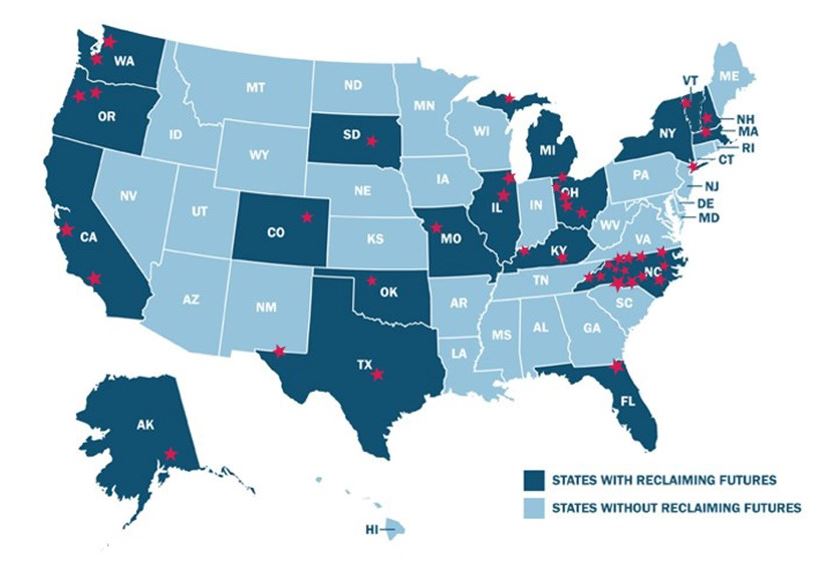
Two of those sites are brand new sites implementing the Reclaiming Futures model for the first time, including Chittenden County, Vermont, bringing the total national cohort of Reclaiming Futures sites to 41.

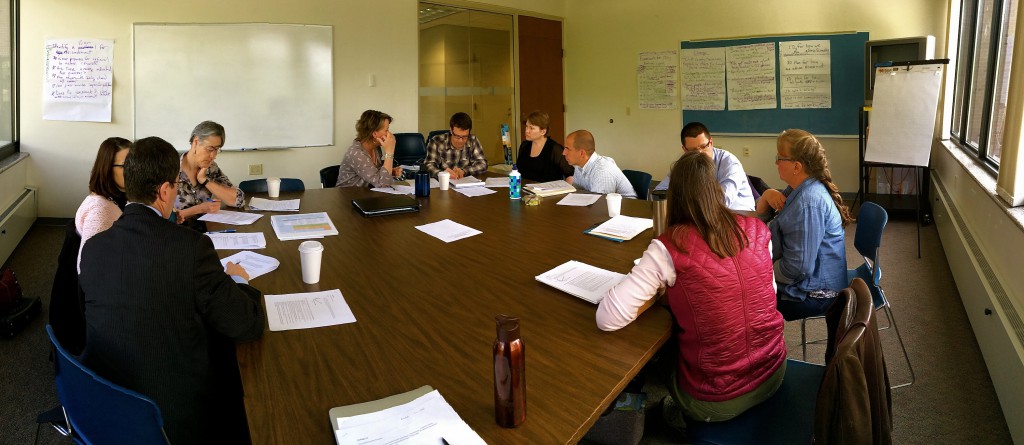
The Chittenden County team convenes to discuss plans for the new site.

As this national collaborative of juvenile justice and mental health experts is growing, we followed up with Jon Kidde, Project Director at Chittenden County, to learn about his team’s vision for helping Vermont’s young people at the front door of the juvenile justice system. Despite all 41 sites being replicated as a Reclaiming Futures model, each state and county face unique challenges to assisting teens. We aim to connect sites to share innovative ideas and creative solutions, and Jon Kidde is the latest to share how the Chittenden County site will adapt and implement the SBIRT process in Vermont.

Montgomery County Juvenile Drug Court Graduation

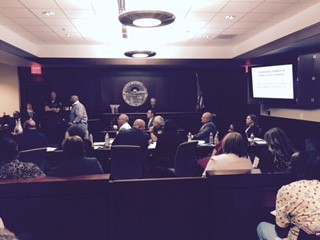
On Thursday May 21, 2015, the Honorable Judge Anthony Capizzi hosted his annual Drug Court Graduation.  This year’s graduation was unique in that it was the first time  the graduation was not held at the Montgomery County Juvenile Justice Center.  The celebration of recovery was held in the United States District Court for the Southern District of Ohio.  The Honorable Judge Walter Rice shared his bench with The Honorable Juunnameddge Anthony Capizzi to preside over the graduation in United States District Court Federal Building in Dayton, Ohio.

During the first part of the ceremony Judge Rice shared the bench with Judge Capizzi, as they both welcomed the eleven graduating youth, families, court staff, Deputy Director and Director of Ohio Department of Youth Services and various elected officials from Montgomery County.  Once the welcome was complete, Judge Anthony Capizzi shifted his attention to the amazing accomplishments of the eleven graduates, and became the first visiting judge to preside over a Juvenile Drug Court Graduation in the United States District Court.

House Proposal Would Eliminate Key JJDPA Funding; News Roundup

Every week Reclaiming Futures rounds up the latest news on juvenile justice reform, adolescent substance abuse treatment, and teen mental health. 

House Proposal Would Eliminate Key JJDPA Funding (Juvenile Justice Information Exchange)
This past week the House Appropriations Committee, Subcommittee on Commerce, Justice, Sciences & Related Agencies, released their FY'16 Appropriations proposal, causing alarm in the juvenile justice community. Juvenile justice funding that goes to states, under the Juvenile Justice and Delinquency Prevention Act, would be eliminated under the new proposal. For more information you can  check out this JJIE story by Gary Gately,  and also follow National Juvenile Justice Network for updates.

Saying Goodbye: Reclaiming Futures Recognizes the Impact of Susan Richardson

farewellpost We recently announced the departure of Susan Richardson, Reclaiming Futures’ current national executive director. Effective May 11, Susan will transition out of the organization and return to North Carolina after four years leading and overseeing the national program office in Portland, Oregon.

In commemoration of Susan’s work over the last few years, the Reclaiming Futures team has gathered their favorite memories working under her leadership:

Susan has been an incredible force within and across Reclaiming Futures since we first met years ago.  Her passion, dedication and determination to learn, promote, advance and celebrate the mission, the values and the spirit of the initiative has been unmatched. She has tirelessly tended and expanded the networks and partners of RF.  She has thoughtfully shepherded an important (and challenging) transitional phase of our effort.  Her contributions will always be valued and we will miss her regular presence in our ranks - but truly consider her a valued part of the Reclaiming Futures family.  Thank you Susan!!!
-Laura Nissen, Ph.D., LMSW, CADC III, Dean and Professor, School of Social Work, Portland State University

Hardin County Convenes Local Leaders at Annual Stakeholder Meeting

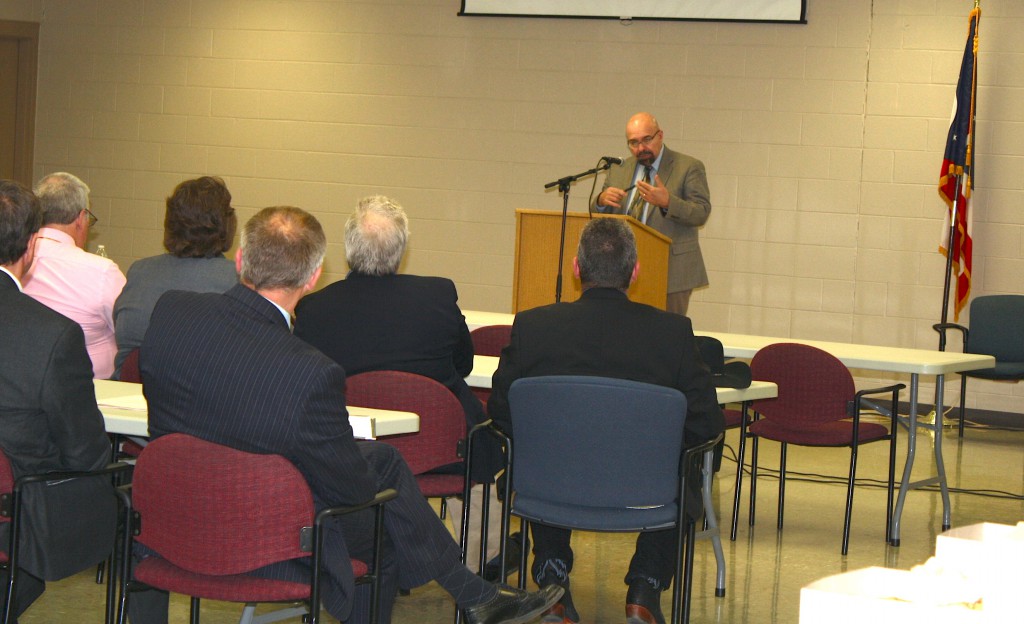
Last week, Hardin County Juvenile Court convened its annual stakeholders meeting, gathering leaders from local businesses, churches and agencies to share progress on Reclaiming Futures’ impact through new data, and insight into the future of the program.

Randy Muck, Senior Advisor of Advocates for Youth and Family Behavioral Health, speaks at the Hardin County Juvenile Court stakeholder meeting

Judge Steven Christopher shared results from Hardin County’s participation in a statewide pilot program to study medically assisted treatment for opiate abuse. He noted positive results. Of the 69 percent of people in his family treatment court, zero percent relapsed or experienced recidivism.

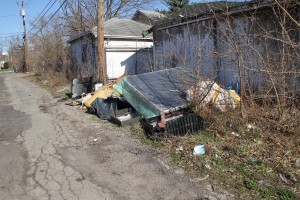
The Solution to a 27.47 Ton Problem

April in Dayton, Ohio generally means the winIMG_4366ter weather is starting to break. Snow showers and subzero temperatures are replaced with rain showers and flowers. For some neighborhoods in Dayton, Ohio the break in the weather brings light to a major issue. The issue of illegal dumping is highly visible once the piles of snow have melted away. In some instances, neighborhoods have been left with tons of trash and debris.  For several blocks certain alleyways can be found with couches, mattress, appliances and construction waste.

On April 1, 2015 Montgomery County Juvenile Court hosted its fourth annual community cleanup in the Fairview Neighborhood. This was a community effort, with multiple partners coming together to improve the appearance of one of our city’s neighborhoods.

Reclaiming Futures Names Evan Elkin as New National Executive Director

Susan Richardson has recently announced her plans to leave the position of national executive director of Reclaiming Futures to return to her home state of North Carolina, and we are grateful for her years of excellent leadership. Yesterday, Reclaiming Futures appointed Mr. Evan Elkin as national executive director, effective May 11, 2015.

Maintaining a Critical Eye When Assessing Research Findings

We live in the information age. Reclaiming Futures sites and other jurisdictions engaged in similar focused reform efforts have access to information from multiple sources and disciplines such as: web-sites; journal articles, news; juvenile justice, behavioral health, psychology, sociology, education, social work, medicine and so on.

So how do we critically assess these sources of information? Let’s discuss by using an example.

Data Collection & Evaluation Leads to Juvenile Treatment Court Program Improvements in Lucas County, OH

gainAs the Grant Data Manager for Reclaiming Futures Lucas County, it is important for me to recognize and implement necessary changes to increase the success of our model and its impact on teens in the Juvenile Treatment Court (JTC).

Over the past 24 months at the Lucas County JTC, we have strived to determine how best to use the data collected through GAIN assessments—which stands for Global Appraisal of Individual Needs, a biopsychosocial assessment created by Chestnut Health Systems.

GAIN assessments of JTC clients (our treatment court youth) take place at baseline or initial assessment, three months, six months and 12 months in the program—GAIN I are the initial interviews and GAIN-M90 are the three-month follow up interviews. Questions asked in the interviews address youth perception of the treatment process and program. GAIN Site Profiles of clients include answers and feedback given during the assessments and are kept confidential beyond the use of the treatment team to evaluate the program.

What the data revealed informed significant programmatic changes, in order to meet the needs of Lucas County Juvenile Treatment Court clients. The GAIN Site Profiles validated that a large percentage of youth were engaging in high health risk behaviors, especially regarding sexual behavior. This information flagged for our team that there were gaps of service in our program that needed to be addressed to enhance our impact.

The GAIN data allowed us to determine the specific areas of discussion and education that were lacking in our program—in this case, the need for more education around high health risk behaviors that can lead to unplanned teen pregnancy and sexually transmitted infections.

As a result, our program has started implementing the PREP (Personal Responsibility Education Program) curriculum—created by the Ohio Department of Health—that helps educate staff to become trainers in evidence-based prevention programming. This curriculum is disseminated to staff during regular, existing meetings, where we share data, discuss needs, and establish next steps. The staff then uses the curriculum to educate our youth, which has been successful and engaging.

LaTonya Harris, Project Director at Reclaiming Futures Lucas County, is a strong advocate of the PREP curriculum:

“The Ohio Personal Responsibility Education Program (PREP) has allowed us to educate youth and dispel some myths about abstinence and sex decisions.
The youth in the group seem to be enjoying the structure of the group and they appear to feel comfortable asking questions without fear of judgment. It's been a nice addition to our program.”

As the Grant Data Manager, I conduct the GAIN-M90 interviews and am able to report what I learn from our clients in regularly scheduled meetings with our treatment team, which will allow us to continually make program improvements. We utilize our meetings as time for me to report what’s working and what’s not, and to discuss how to fill any clear gaps in service.

While I cannot determine any major changes in high-risk health behaviors among our program youth, as we are currently halfway through the assessment cycle, I can share from my latest GAIN interviews that clients have reported receiving appropriate classes and education on these behaviors, demonstrating the improvements we have been able to make.

Image from GAIN website

Pages