Blog: Reclaiming Futures - 2015

Drug Facts Can Be Fun! How Montgomery County Juvenile Court Celebrated National Drug Facts Week

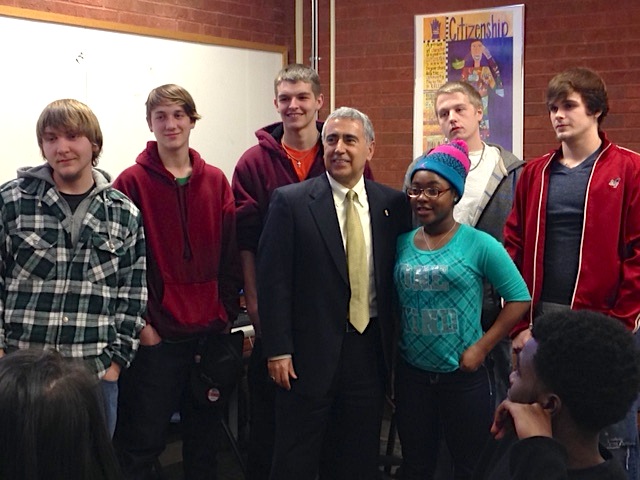
Judge Capizzi with the winning youth team on game night

The National Institute on Drug Abuse (NIDA) led National Drug Facts Week last week, January 26 through February 1, 2015. The week was dedicated to having honest conversations with teens about the harmful effects of drug abuse. Schools and Courts across the country hosted activities to provide youth with scientific facts, research, statistics and emerging trends with drugs. The goal: equip youth with the knowledge necessary to understand that drugs are not a game and they have very serious consequences.

Although drug abuse is not a game, communicating the information to young people can be fun, and I was part of it last week. Montgomery County Juvenile Court hosted a fun activity to get youth the facts and information that they need. On January 27, 2015, the Honorable Judge Anthony Capizzi spent is evening giving his best Alex Trebek impersonation while hosting the 2nd annual Drug Fact Game Night. This wasn’t your normal game of Jeopardy; all categories and questions were developed using data provided by NIDA and related to the harmful effects of drugs.

There were a total of 30 youth involved with Montgomery County Juvenile Court Drug Court in attendance. In addition, there were Natural Helpers, several members from the Parent Advisory Board, and Juvenile Court Probation staff. Parents in attendance from the Advisory Board shared feedback, saying, “we enjoyed seeing Judge Capizzi and the Probation Officers have so much fun with the kids.”

Pairing informative education around drug fact with pizza, trivia and incentives (the first place team received gift cards to McDonalds), Montgomery County Juvenile Court was able to intersect meaningful drug facts with positive experiences for youths. Overall, a success!
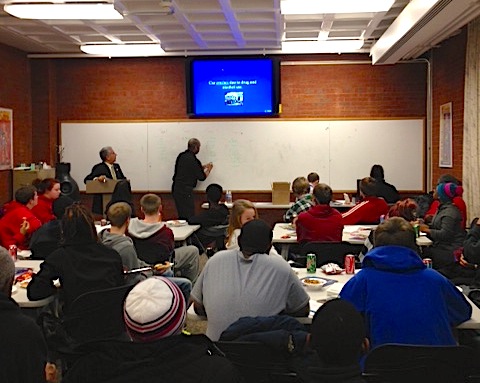
National Drug Facts game night at Montgomery County

During this same week, 30 youth involved with Montgomery County Juvenile Court submitted artwork for the Drug Abuse Prevention Poster Contest, intended to get youth involved with pro-social activities like art. Juvenile Court staff encouraged youth to complete artwork at home and school, and provided supplies with assistance for some youth at K12 Art Gallery. The artwork is being submitted this week to Montgomery County Drug-Free Coalition to be judged with the other submissions from schools and programs across the county. The grand prize winner of this contest will received $50.00 cash prize, and a college scholarship of choice to Sinclair Community College, Wright State University or the University of Dayton. In addition, the artwork will be reproduced and distributed at various Coalition events to integrate their great work within the community.
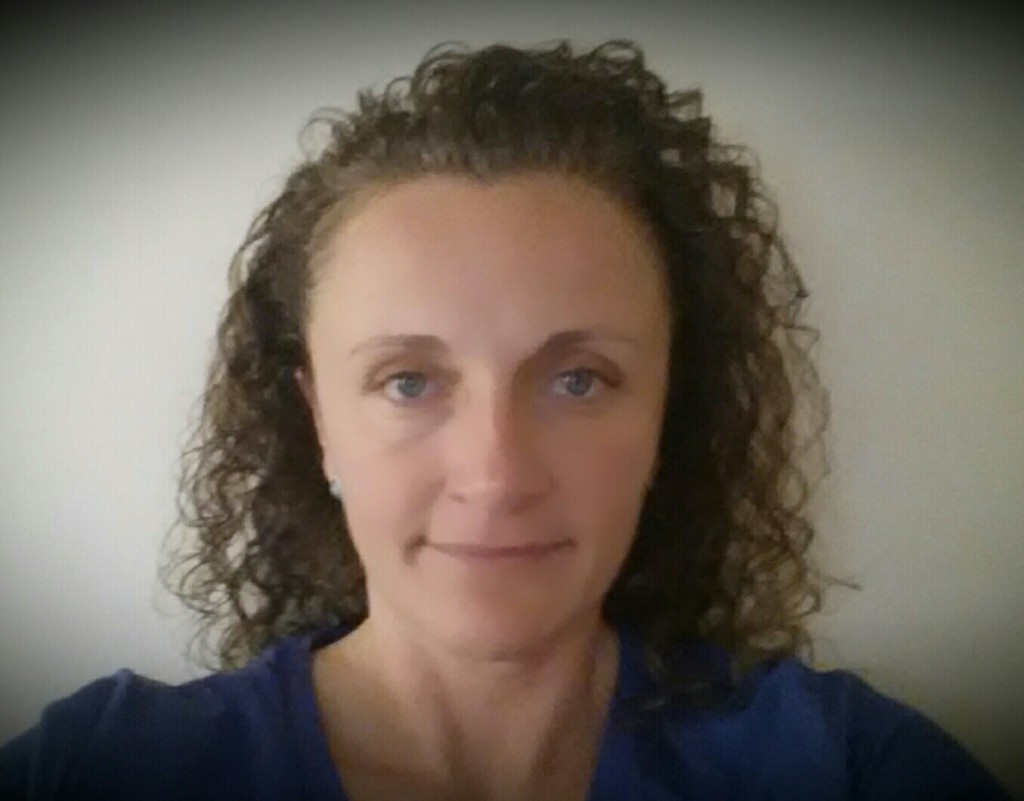
Introducing Candice Moore as New North Carolina Project Director

Formerly a project director for the Crossroads site in North Carolina (representing Surry, Iredell, and Yadkin Counties), Candice Moore will lead North Carolina’s State Reclaiming Futures Office, which currently includes 14 Reclaiming Futures sites in 29 counties.

Moore’s professional experience with Reclaiming Futures stretches back to when she was oneCandice Moore of the original grant writers that helped lay the groundwork for the model in the Crossroads site.
In 2008, with investment from the Kate B. Reynolds Charitable Trust (KBR), North Carolina established a six site Reclaiming Futures pilot. Due to the progress made by these sites, North Carolina established a public-private partnership with support from the NC Division of Juvenile Justice, KBR and the Governor’s Crime Commission to launch the first state office of Reclaiming Futures. In 2013, The Duke Endowment funded four additional sites and KBR funded two more.

As a project director for Reclaiming Futures’ Crossroads site, Moore worked with both urban and rural sites, three different judicial districts, multiple judges and more than 10 providers.

“That really taught me how to maneuver and facilitate multiple sites. My work as a project director showed me how to pull people together and be an effective boundary-spanner,” explains Moore. Prior to her work with Reclaiming Futures, Moore worked on the juvenile justice side as a court counselor, which has also strengthened her collaboration with counselors now.

The state office will continue to be stationed in Raleigh, where Moore will spend part of her time, but she will lead the bulk of the work from her office in Winston-Salem, where KBR and the evaluation team are also situated.

Moore will be accompanied by a new second position that will focus on data management and quality improvement for juvenile justice and Reclaiming Futures in North Carolina.

“My goals for my new position are to ensure that the features of the Reclaiming Futures model are institutionalized across the state of North Carolina—meaning that we set comprehensive training plans, strengthen partnerships among our agencies, ensure fidelity, measure outcomes, and implement evidence-based practices,” explains Moore. “Once we establish that, the long-range plan is to expand the model to all 100 North Carolina counties.”

Below is a snapshot of the impact of North Carolina sites since January 2013:

  • 7,888 (82.6% of eligible youth) were screened using the GAIN-SS
  • 906 youth completed a full assessment (80% indicated the need for treatment)
  • 72.5% of youth in need of treatment successfully initiated treatment. 70% of those initiating treatment did so within the 14 days targeted by the model.
  • 86.4% of youth that initiated treatment fully engaged in services.
  • 35% of these youth discharged from treatment successfully completed treatment and 15% were referred for additional treatment

The improvement in local processes is resulting in positive outcomes for youth. Of youth discharged:

  • 61.3% were involved in pro-social activities
  • 85.3% had one or more positive adult relationship
  • 80.0% reduced or abstained from substance use
  • 71.0% improved mental health functioning

We’re thrilled to welcome Candice into her new role leading the State Office for Reclaiming Futures in North Carolina, and look forward to continuing the positive momentum she and her predecessor Jessica Jones put into motion.

Five Reclaiming Futures Sites Chosen to Implement SBIRT

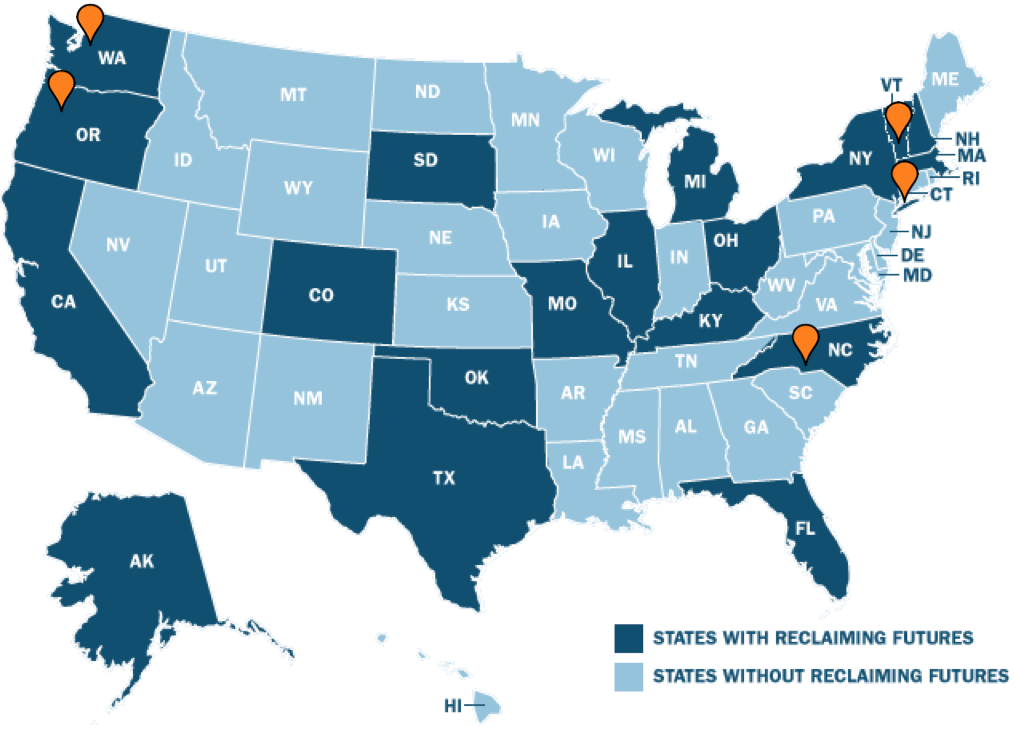
sites map

As a result of new funding from the Conrad N. Hilton Foundation, five new Reclaiming Futures sites will pilot an innovative adaptation of Screening, Brief Intervention, and Referral to Treatment (SBIRT) for adolescents.

We vetted 20 competitive applications and selected three existing Reclaiming Futures sites to add SBIRT: King County, Washington; Nassau County, New York; and Mecklenburg County, North Carolina.

We also chose two brand news sites to incorporate the Reclaiming Futures model with SBIRT included—Washington County, Oregon, and Chittenden County, Vermont—which brings our total number of sites since inception to 41.

Each of the five pilot sites will serve at least 100 youth over the course of three years. The target will be youth who show mild to moderate levels of substance use—a population that doesn’t often qualify for or seek treatment, but who are at high risk for developing worse substance abuse problems down the road. Clinical Director for this initiative, Evan Elkin, will design an engaging, teen-friendly one to five session intervention tailored for a juvenile justice setting that can be administered flexibly depending on the severity of the youth’s substance use.

Read more from Clinical Director Evan Elkin about the SBIRT pilot.

Reclaiming Futures Top Posts of 2014

Screen Shot 2014-12-18 at 1.29.44 PMTo celebrate 2014 as it comes to an end, here are Reclaiming Futures top five most popular blog posts of the year!

  1. Watch: PBS Documentary “15 to Life”
    A new PBS Documentary “15 to Life” takes a close look at one man’s story to combat his life sentence after being convicted at age 15. Though Kenneth Young was convicted more than a decade ago for armed robbery, the S. Supreme Court ruled four years ago that a life in prison sentence without parole for a juvenile offender in a non-homicide case was unconstitutional.
  1. For Young People Addicted to Painkillers, the Path Less Taken—Why?
    Mistakenly, many adolescents believe that Rx opioids are safe because they are prescribed by a doctor. But when abused, they can be as potent and as deadly as heroin. In fact, many teens and young adults who abuse Rx opioids move on to heroin abuse. The Centers for Disease Control and Prevention calls prescription drug abuse an "epidemic," and we see it as a public health issue that disproportionately impacts our kids.
  1. The Emotional State of Poverty: A Powerful Photo Essay
    As a native of Troy who struggled with teen pregnancy, drugs and an unstable living environment, Kenneally returned to her hometown after getting sober and studying photojournalism to capture what she experienced as an emotional state of poverty.
  1. End the Culture of Violence and Trauma: The Robert Wood Johnson Foundation Wants Your Ideas
    The Juvenile Law Center, with support from the Robert Wood Johnson Foundation, has released a report Trauma and Resiliencethat illustrates how systems and services can help children and families overcome the trauma they encounter.
  1. Principles of Adolescent Substance Use Disorder Treatment: A Research-Based Guide
    Earlier this month, the National Institute on Drug Abuse (NIDA), published a guide detailing a drug abuse approach that goes way beyond "Just Say No!" The guide, "Presents research-based principles of adolescent substance use disorder treatment; covers treatment for a variety of drugs including, illicit and prescription drugs, alcohol, and tobacco; presents settings and evidence-based approaches unique to treating adolescents."

Pages